
Is Pasture Raised Chicken Really Better?
(5 minute read)
Is pasture-raised chicken really better than organic, free-range and cage-free chicken? The following provides an overview of the health, environmental impact and ethical agriculture involved with pasture-raised chicken.

Health Benefits of Pasture-Raised Chicken

Pasture‑raised chicken is often chosen for both nutritional quality and how it is produced. Differences in diet, environment, and processing can influence the final meat when compared with intensively farmed chicken.
Key benefits include:
-
Natural, varied diet
Chickens raised on pasture have access to a more natural and diverse diet, including grasses, seeds, and insects, alongside supplementary feed. This varied diet is associated with meat that can contain higher levels of beneficial fatty acids, including omega‑3s, as well as naturally occurring vitamins and minerals.
At Castors Pastures, as well as eating a variety of grasses & plants from daily fresh pasture, they are fed a high quality organic feed to supplement their diet.
Remember what goes in their body, ends up in yours! So it's important to us that our birds only get the very best. -
Outdoor living and overall bird health
Access to fresh air, space, and sunlight supports natural behaviour and lower stress levels. Access to movement, sunlight, and a varied environment influences fat composition, muscle development, and stress levels which in turn, affects the flavour, texture, and overall quality of the meat. -
Reduced reliance on antibiotics
Pasture‑based systems typically involve smaller flocks and lower stocking densities, which can reduce disease pressure. As a result, these systems generally rely less on routine antibiotic use than intensive operations, where antibiotics may be used preventatively in crowded conditions.
At Castors Pastures, we farm on a small scale and do not use routine or preventative antibiotics, focusing instead on good husbandry, low stocking densities, and careful daily management to maintain flock health. -
Frozen fresh to preserve quality
At Castors Pastures, chickens are processed and frozen immediately after slaughter, rather than being gas‑flushed for extended chilled storage (like most supermarkets do!). Freezing straight away helps preserve freshness and limits the natural build-up of histamines that can occur as meat ages over time. Some people who are sensitive to histamines prefer meat that has been handled and frozen quickly, although individual tolerance varies.
Pasture-raising practices help maintain healthy grasslands and prevent soil erosion. This is in contrast to large-scale deforestation often associated with growing crops for conventional chicken feed.
Pasture-raised chickens act like natural tillers and fertilizers. As they forage, they aerate the soil, promote drainage and fertilize it with their manure. This can help improve soil health and fertility over time.
The presence of chickens grazing on pastures can encourage a wider variety of plant and insect life. This contributes to a more balanced and biodiverse ecosystem compared to conventionally raised chickens, typically housed in barren environments.
Sustainable farming practices used for pasture-raised chickens also have a lower carbon footprint, reducing carbon emissions because of less reliance on feed production and transportation.
Environmental Impact of Pasture-Raised Chicken

Ethical Considerations of Pasture-Raised Chicken
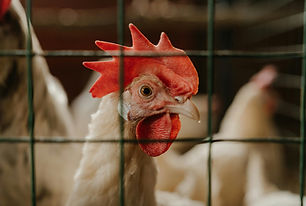
Pasture-raised chicken farming offers several ethical benefits compared to conventional intensive farming methods.
Animal Welfare
Pasture-raised chickens typically have better living conditions and higher welfare standards compared to chickens raised in crowded and confined environments. They have access to outdoor space where they can exhibit natural behaviors and engage in activities such as foraging and socializing.
Reduced Stress and Aggression
Pasture-raised chickens experience lower levels of stress and aggression compared to chickens raised in overcrowded and stressful environments. Access to outdoor space and opportunities for natural behavior help reduce stress levels, leading to healthier and more contented chickens.
Improved Health
Pasture-raised chickens are less susceptible to diseases and health issues commonly associated with intensive farming practices, such as overcrowding, poor ventilation, and high levels of ammonia in confined spaces. Outdoor access and exposure to sunlight contribute to stronger immune systems and overall better health for pasture-raised chickens.
Enhanced Environmental Stewardship
Pasture-raised chicken farming is more sustainable compared to intensive farming methods. Integrating chickens into diversified farming systems promotes soil health, reduces reliance on synthetic inputs such as fertilizers and pesticides, and contributes to biodiversity conservation. Pasture-raised systems also help mitigate environmental pollution by minimizing waste runoff and greenhouse gas emissions associated with industrial farming.
Support for Sustainable Agriculture
Choosing pasture-raised chicken products supports sustainable agricultural practices that prioritize environmental stewardship, animal welfare, and community well-being. By purchasing pasture-raised chicken, consumers contribute to the growth of a more ethical and environmentally friendly food system.